
Cost-Saving Tips for Building Pre-Engineered Industrial Sheds
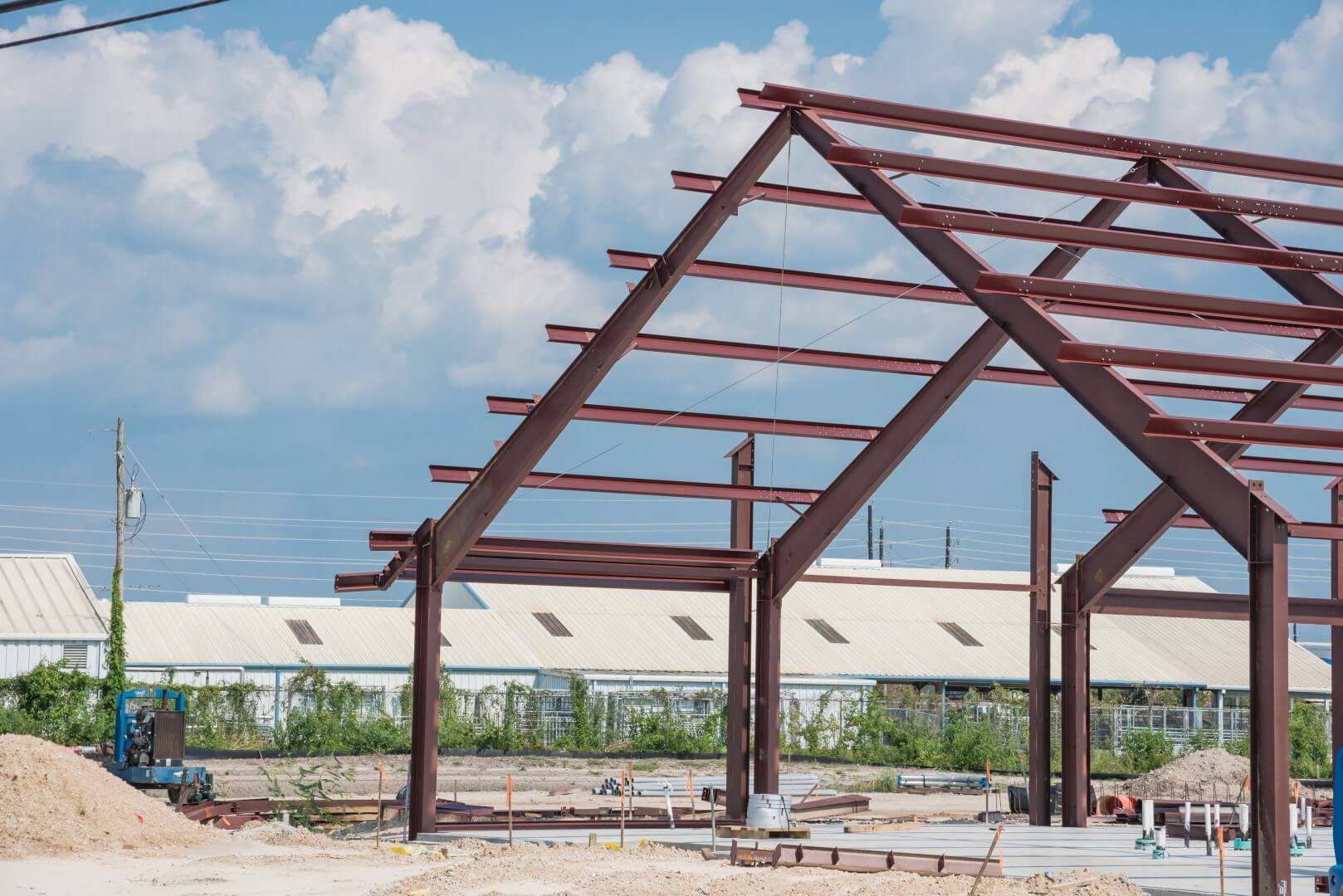
Pre-engineered buildings (PEBs) are a cost-effective option for industrial sheds due to their fast construction, flexible design, and reduced material usage. However, to fully maximize savings, it’s essential to plan wisely and make strategic choices. Here are some tips to help cut costs when constructing a PEB industrial shed.
Standardized Designs
Opting for standardized designs can significantly lower costs. These designs are optimized for material efficiency and streamlined construction. Custom designs, on the other hand, require additional engineering and materials, which drive up expenses. By choosing a standardized design, you benefit from a tried-and-tested solution that reduces waste and simplifies the construction process.
Modular Components
Using modular components is another effective way to control costs. Modular pieces are easy to assemble and disassemble, reducing construction time and labor costs. Additionally, modular designs provide flexibility for future expansions or modifications without significant expense, making them ideal for industrial settings with evolving needs.
Simplified Structure
Keeping the structure as simple as possible is key to minimizing costs. Complex designs with numerous corners or custom elements require more materials and labor, which increases the overall expense. A simplified design ensures a more straightforward construction process, cutting down on both material use and labor hours.
Material Selection and Procurement
Quality Over Quantity
Investing in high-quality materials is essential, even if they come with a higher upfront cost. Durable materials last longer and require less maintenance, resulting in long-term savings. By choosing quality materials, you reduce the need for repairs and replacements, ensuring a more reliable and lasting industrial shed.
Bulk Purchasing
Consider purchasing materials in bulk to take advantage of discounts. This is particularly useful for standardized components and materials with a long shelf life. Bulk buying can lower the per-unit cost, resulting in overall savings for the project.
Efficient Construction Methods
Prefabrication
Using prefabricated components can help reduce costs by ensuring high-quality production and minimizing on-site labor. Prefabrication speeds up construction, reducing disruptions and leading to quicker project completion and lower labor costs.
Skilled Labor
Hiring experienced labor is crucial for a PEB project. Skilled workers are more efficient and deliver higher-quality work, reducing the chances of errors or rework, which can add to costs.
Construction Scheduling
Carefully plan the construction schedule to avoid delays. Delays can increase labor costs and potentially result in penalties. Use project management tools to monitor progress and resolve any issues quickly, ensuring the project stays on time and within budget.
Energy Efficiency
Insulation
Investing in proper insulation will reduce long-term energy costs for heating and cooling. Good insulation keeps the building’s internal temperature stable, lowering energy consumption and making the shed more comfortable for workers.
Natural Lighting
Designing the shed to maximize natural light, using elements like skylights or large windows, helps reduce reliance on artificial lighting. This lowers electricity costs and creates a more inviting workspace.
Energy-efficient Systems
Installing energy-efficient systems like LED lighting and high-efficiency HVAC units is a smart investment. These systems reduce energy consumption, leading to long-term savings, and may also qualify for rebates or incentives, further lowering costs.
By implementing these cost-saving measures, businesses can build industrial sheds that are not only economical upfront but also efficient and cost-effective in the long run.